Empowering Seniors to Engage in Fitness Through Evidence-Based Exercise Guidelines
Wiki Article
Keeping active is important for people of all ages, but it becomes especially important as people grow older. For seniors, routine exercise supports sustaining autonomy, enhances mobility, and boosts general health. Detailed fitness plans deliver older adults with systematic strategies to fitness that address stability, flexibility, power, and endurance. By following well-designed exercise routines, seniors can elevate their daily function while minimizing the likelihood of injuries, chronic diseases, and mental health challenges.
Physical fitness for seniors is not restricted to strenuous workouts or intense fitness sessions. It centers instead on moderate, consistent, and maintainable movement that fits individual ability levels. Routines such as leisure walking, flexibility drills, yoga, and strength conditioning assist retaining range of motion and firmness. Cardiovascular exercises like aqua aerobics or stationary cycling boost cardiovascular function, which are key for sustaining stamina and vitality. These physical practices also support mental function, as findings have shown that consistent activity can boost memory, emotional well-being, and mental performance.
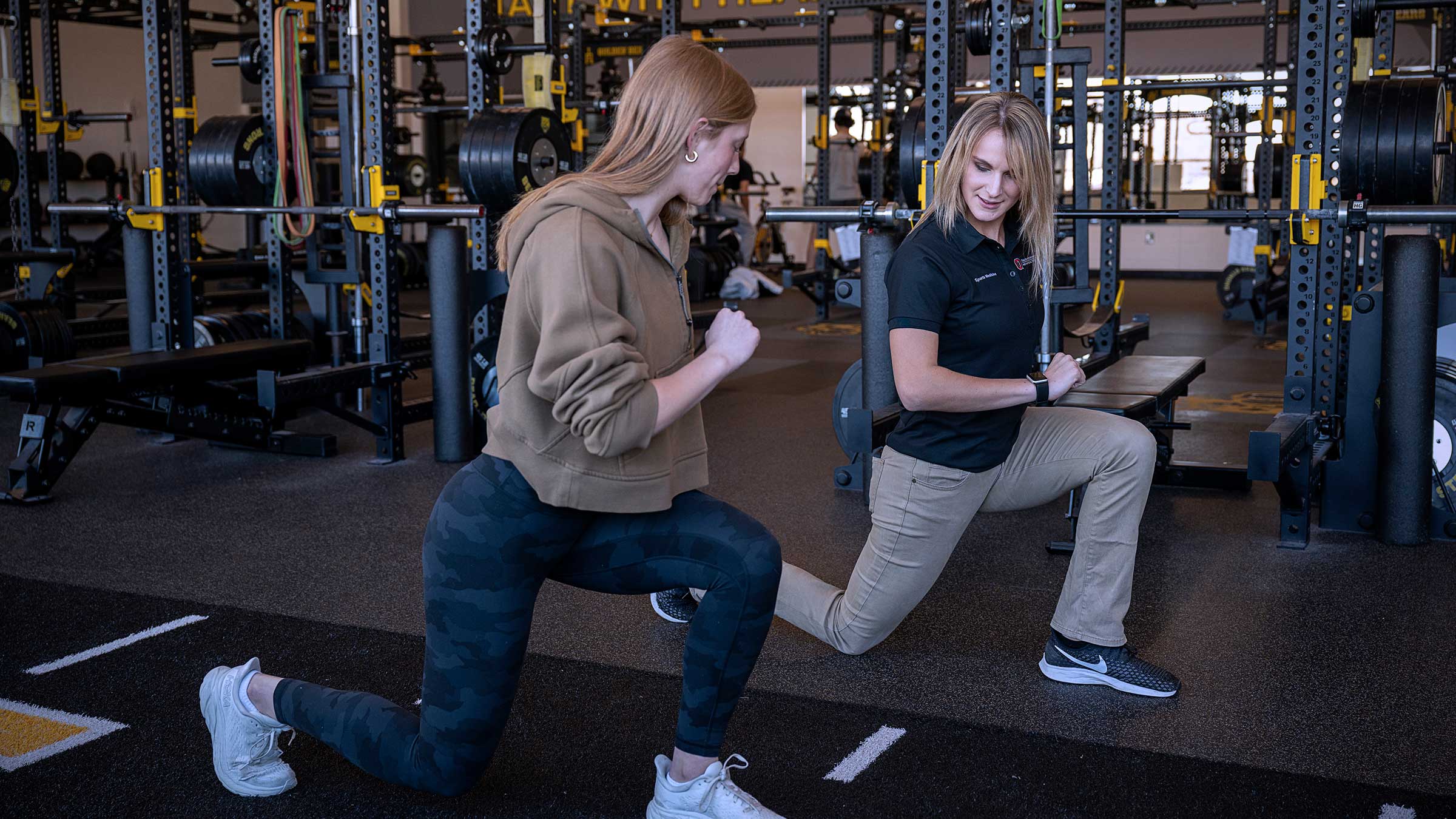
Thorough exercise guidelines highlight a integrated approach to wellness, covering bodily, mental, and interpersonal aspects of health. Older adults are guided to start gradually and advance at a comfortable pace, maintaining safety while reducing fatigue. Incorporating pre- and post-exercise stretches reduces muscle soreness, while proper hydration and meal balance enhance physical activity. Additionally, group fitness environments—such as community walking clubs or community walking programs—offer avenues for companionship, encouragement, and well-being, which are equally important to total wellness.
Professional guidance serves a key function in supporting older adults develop tailored exercise plans. Seeking advice from medical professionals, physical therapists, or exercise professionals verifies that routines are aligned to personal requirements, fitness levels, and targets. These experts can recommend effective training methods that address issues such as joint conditions, skeletal weakness, or cardiovascular limitations. Through ongoing monitoring and revision, training programs continue to be productive and rewarding, encouraging sustained engagement and achievement.
click here to read In conclusion, motivating older adults to participate in exercise through structured exercise guidelines builds a mindset of lifelong movement. When participants are supplied with understanding, confidence, and discover this organized systems, they gain assurance in their mobility and experience greater freedom. Consistent movement enhances not only muscle capacity but also cognitive health and emotional resilience. By supporting inclusive, professionally structured exercise plans, societies can ensure that each older adult has the opportunity to live a healthy, vibrant, and fulfilling journey.